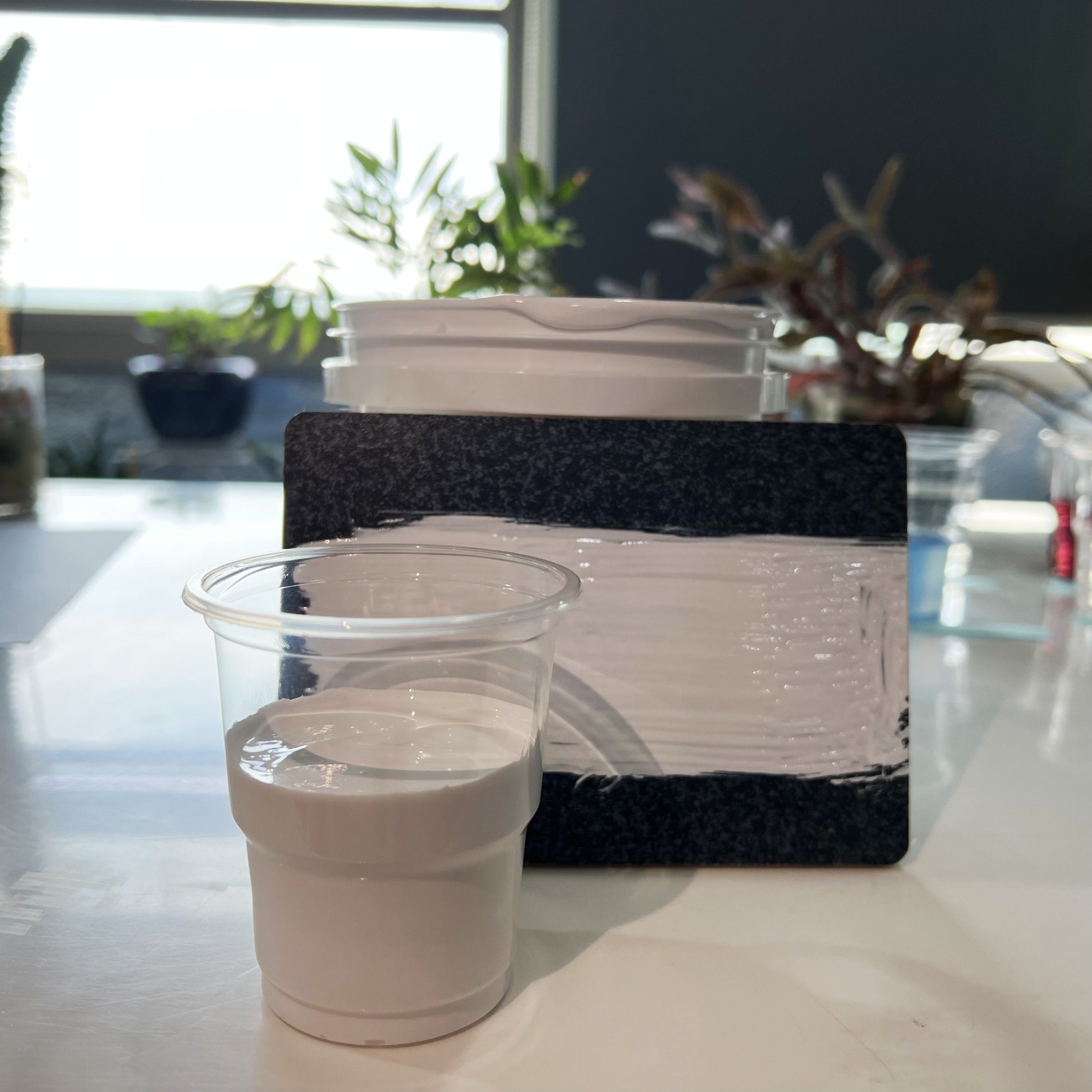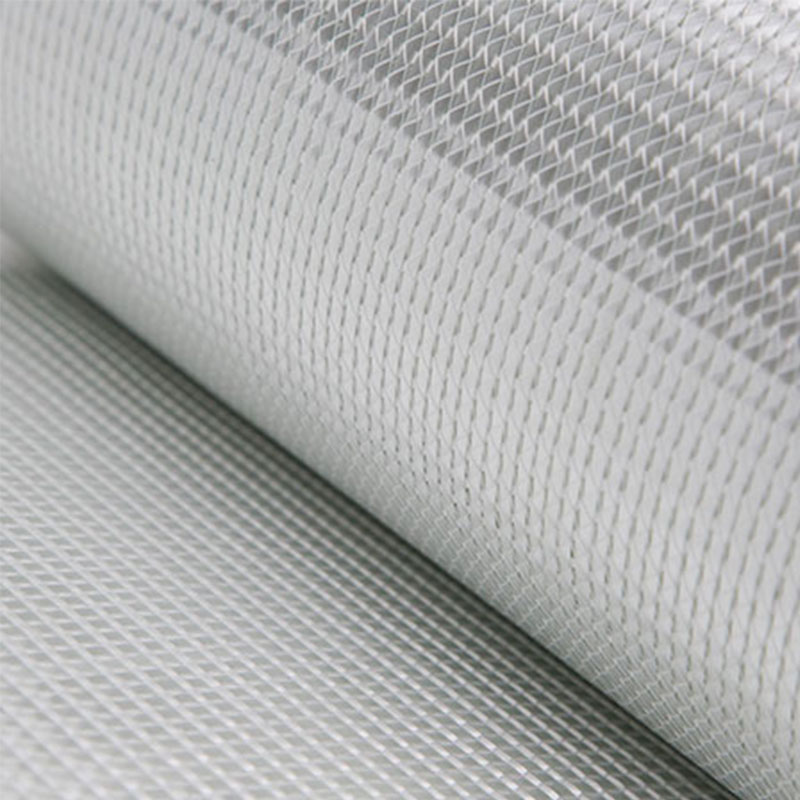



Vinyl Ester Resin, also known as vinyl ester. It is a mixture of polyester and epoxy resin. Vinyl ester resin has high mechanical strength, corrosion resistance and thermal deformation temperature, and the vinyl ester resin is suitable for most FRP molding methods, such as winding molding, hand lay-up molding, injection molding, pultrusion molding and centrifugal injection molding.
Features:
Hybrid Structure: Vinyl ester resin combines epoxy and polyester properties, featuring ester groups and terminal vinyl double bonds. This structure enhances its tensile strength (70-90 MPa) and toughness, making it suitable for dynamic stress applications like wind turbine blades.
Rapid Curing: Vinyl ester resin hardens quickly via free-radical polymerization, enabling efficient production in time-sensitive projects such as automotive parts and industrial pipelines.
Corrosion Resistance: The resin resists acids, alkalis, and oxidizers (e.g., chlorine bleach), making it ideal for chemical storage tanks and marine environments.
Water Resistance: Vinyl ester resin’s low water absorption minimizes hydrolysis, ensuring durability in underground storage tanks and water treatment systems.
Process Versatility: It supports hand lay-up, spray, and resin transfer molding, facilitating the fabrication of FRP structures like boat hulls and ducts.
High Impact Tolerance: Vinyl ester resin absorbs shocks without cracking, outperforming polyester in applications requiring resilience, such as military equipment and aerospace components.
Applications:
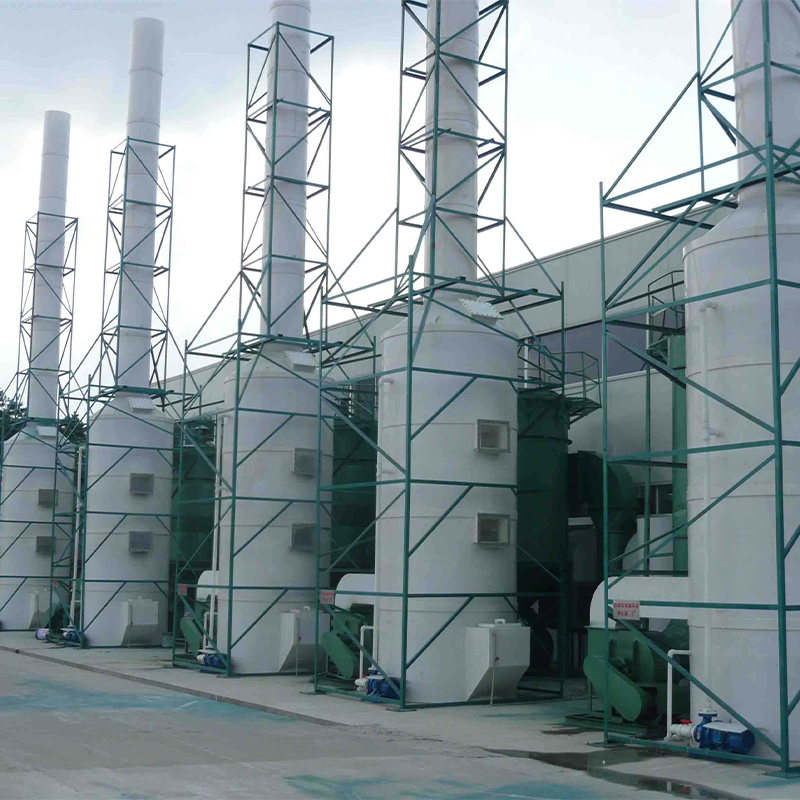
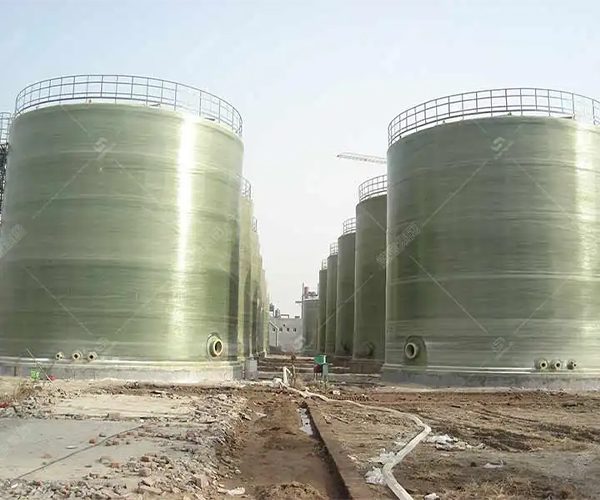
1.Chemical Resistance Applications: Vinyl ester resin is widely used in fabricating FRP tanks, pipes, and scrubbers for chemical plants due to its exceptional resistance to acids, solvents, and corrosive environments, meeting BS4994 standards for industrial storage systems.
2.Renewable Energy Sector: Vinyl ester resin is crucial in wind turbine blade manufacturing, offering high fatigue resistance and UV stability for large-scale composite structures, while also being applied in solar panel frames and power plant coatings.
3.Automotive Engineering: Vinyl ester resin enhances vehicle performance through lightweight body panels, engine covers, and battery enclosures, combining heat resistance with fuel efficiency by reducing overall weight.
4.Marine & Infrastructure Protection: Vinyl ester resin forms durable coatings for ship hulls, offshore platforms, and concrete basins, preventing saltwater corrosion and chemical damage in harsh aquatic conditions.
5.Military & Aerospace: Vinyl ester resin’s durability under extreme conditions makes it ideal for aircraft components, military vehicle parts, and homebuilt airplanes like Glasair models, ensuring reliability in demanding operational environments.
| Item No. | Gel Time(25℃)Min | Chemical Category | Features | Application |
| INV-V411 | 10-17 | Bisphenol A | Excellent construction technology; excellent corrosion resistance, good corrosion resistance to general acids, alkalis, salts and organic solvents; high solid content, excellent mechanical and mechanical properties | Chemical anti-corrosion equipment, engineering, sporting goods, transportation. |
| INV-V411M | 8-18 | Bisphenol A | Standard bisphenol A type epoxy vinyl ester resin. Excellent construction technology, excellent corrosion resistance | Widely used in chemical engineering of many chemical media such as acid, alkali, salt, organic solvent and pipes, tanks, towers, tanks, pools in industry. |
| INV-V411W | 20-30 | Bisphenol A | Excellent corrosion resistance, combined with performance and cost advantages, with better price/performance ratio | Anticorrosion equipment and engineering in conventional chemical industry. |
| INV-V411L- GXX | 30-120( can be customized) | Bisphenol A | Has lower viscosity, adjustable gel time, lower exothermic peak | Vacuum infusion molding process to prepare composite products, such as boats, wind power fields |
| INV-V416 | 8-14 |
| High reactivity, heat resistance, excellent toughness | Rapid pultrusion to prepare rods, cores, pipes and other products |
| INV-V440 | 15-55 |
| Low cure shrinkage, pre-acceleration, anti-sag | Preparation of composite molds, or composite products with low shrinkage requirements |
| INV-V480 | ———— | Mgo Thickening | High reactivity, thickening with magnesium oxide | SMC molding process to prepare battery shells, fan impellers, etc. |
| INV-V495 | ———— | Mgo Thickening | High toughness, magnesia thickener | Used together with low shrinkage agent, it can prepare products with low shrinkage, high strength, high toughness, high heat resistance and heat aging resistance, etc. It is suitable for BMC, SMC, prepreg and other molded products. e.g. composite toe caps, helmets. |
| INV-V650 | 30-60(can be adjusted based on the accelerator content) | Halogen Free Flame Retardant | Halogen-free, in addition to the corrosion resistance of conventional epoxy vinyl ester resins, it also has good flame retardancy. It is an integrated solution product with anti-corrosion and flame retardant properties. | Mainly used in corrosion-resistant equipment with flame retardant requirements, such as wet electrostatic precipitators in thermal power plants, chimneys, etc. |
| INV-V470 | 10-30 | Phenolic Aldehyde | Phenolic modified epoxy vinyl ester resin, high crosslinking density, HDT=145 ℃, has more excellent heat resistance and corrosion resistance; especially in acid oxidizing environment, it has long-term resistance. | Heavy-duty anti-corrosion fields with strong corrosiveness and high temperature in chemical engineering and industry. |
FAQ
Q: What is the main difference between vinyl ester resin and polyester resin?
A: Vinyl ester resin has better chemical resistance and toughness than polyester resin due to its epoxy backbone structure.
Q: Can vinyl ester resin be used for water tank applications?
A: Yes, vinyl ester resin is ideal for water tanks as it resists corrosion and degradation from chemicals and moisture.
Q: How does temperature affect the curing process of vinyl ester resin?
A: Higher temperatures accelerate curing, while lower temperatures slow it down; optimal curing usually occurs between 20-30°C.
Q: Is vinyl ester resin suitable for marine applications?
A: Absolutely, vinyl ester resin’s superior water resistance and durability make it perfect for boat hulls and marine structures.
Q: What safety precautions should be taken when handling vinyl ester resin?
A: Wear gloves, goggles, and a respirator; work in a well-ventilated area to avoid inhaling fumes or skin contact.